Whole-Person Integrative Health for All
Note: our integrative health resource library documents are currently in transition. We appreciate your patience as we update documents and links.
Osher Center for Integrative Health at UW–Madison
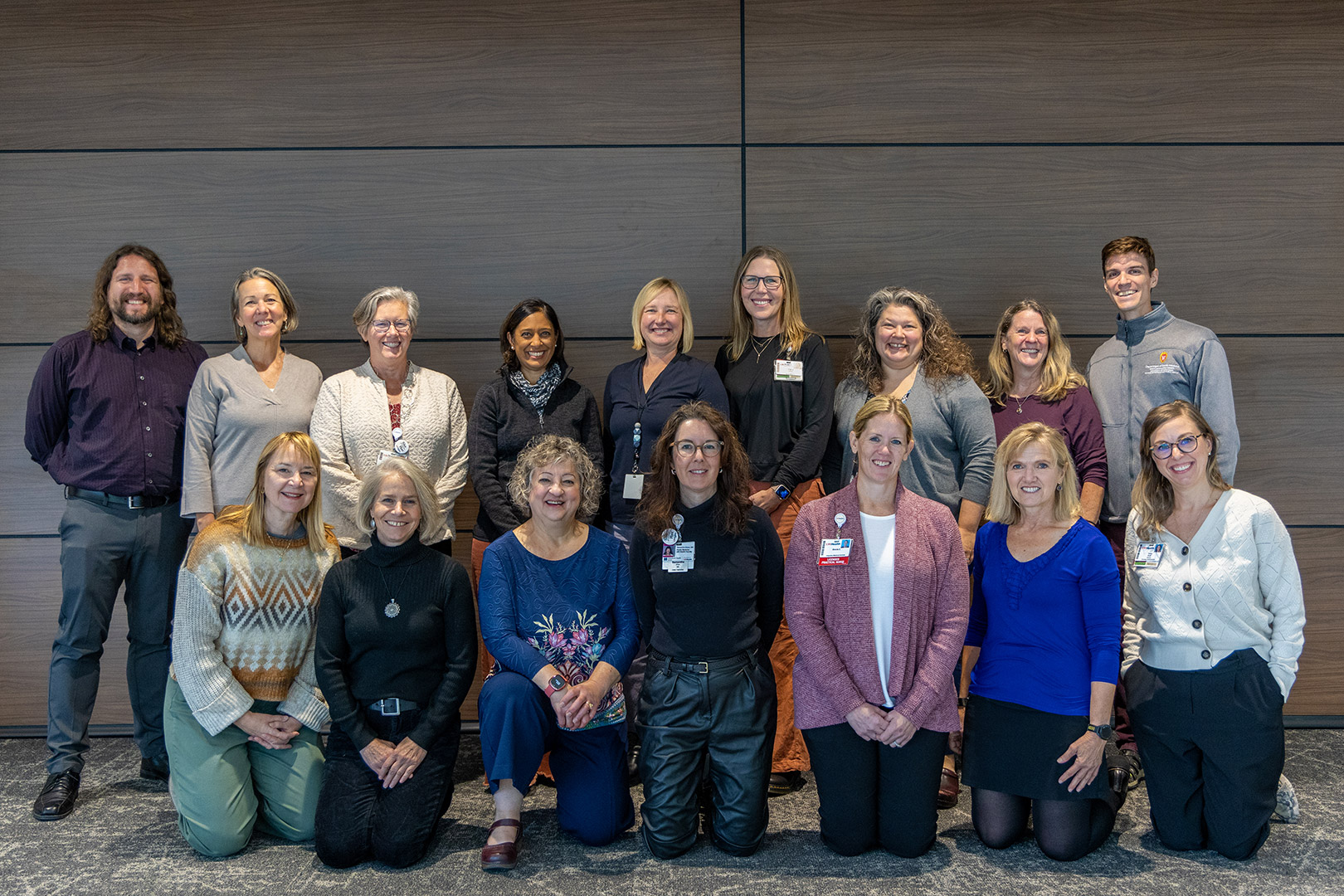
The Osher Center for Integrative Health at University of Wisconsin–Madison is one of the largest integrative health programs in the country. Through excellence in education, patient care, and research, the Osher Center supports individuals and communities in cultivating health and well-being.
We explore innovative ways to treat disease and understand the origins of health to find the incredible healing potential that arises when academic institutions and communities work together for the well-being of all.
Clinical education and research are central to our mission. We offer opportunities for medical student, resident, and fellow education and a substantial body of online resources and handouts used by health care providers and patients worldwide.


About Us
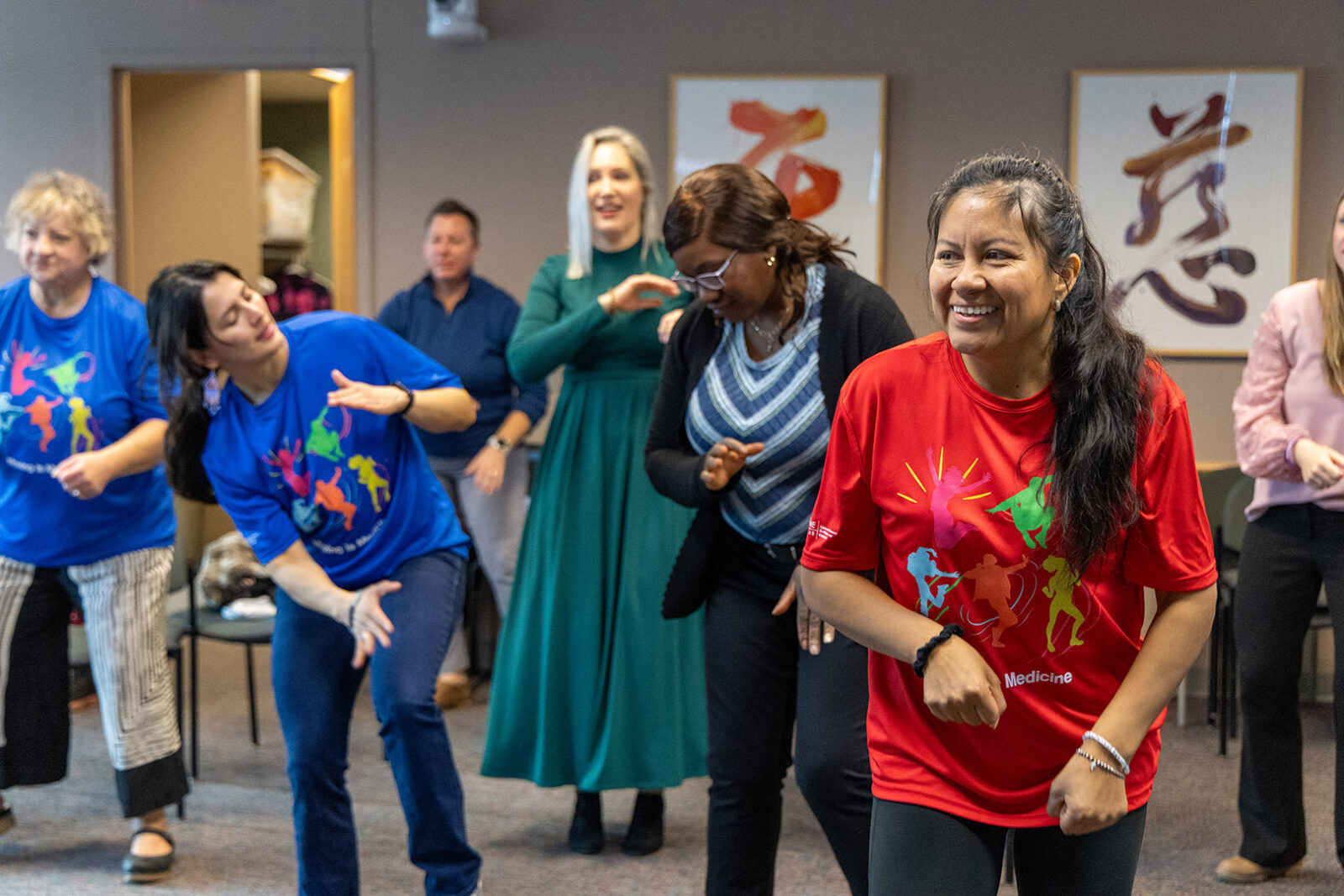
Bringing together the best of conventional medicine and complementary approaches, the Osher Center for Integrative Health at University of Wisconsin–Madison offers services to achieve whole-person and whole-community health. Through clinic consultations, group medical visits, mindfulness training, fitness programs, and healthy cooking and eating classes, community members receive guidance from health professionals who honor their individual goals and values.
Educational Programs
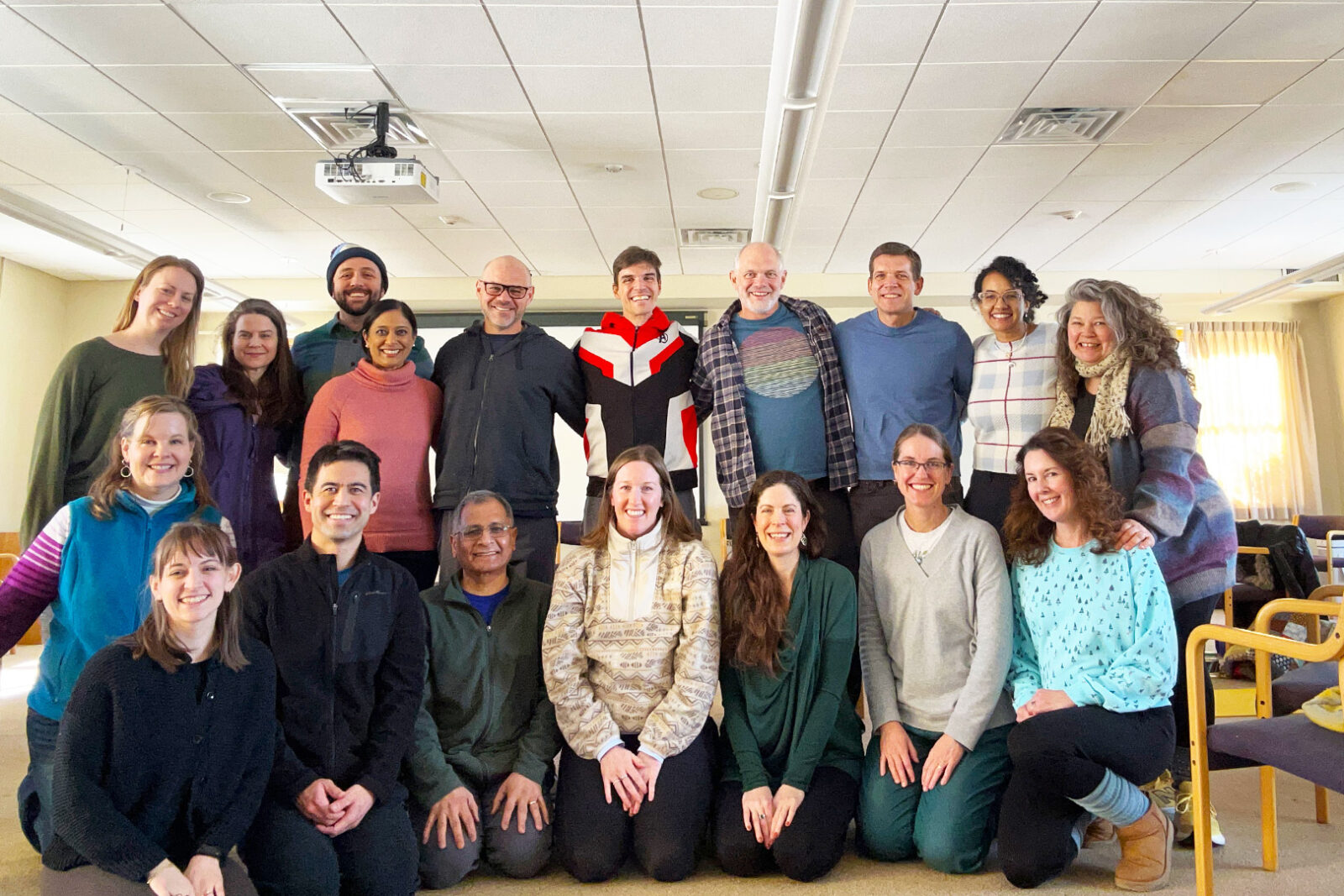
Education drives progress in integrative health practice and leadership. Our elective rotation and academic fellowship prepare learners for whole-person, evidence-informed care while promoting self-care, teamwork, and the skills needed to enhance health and well-being in clinical practice and community settings.
Clinical Services
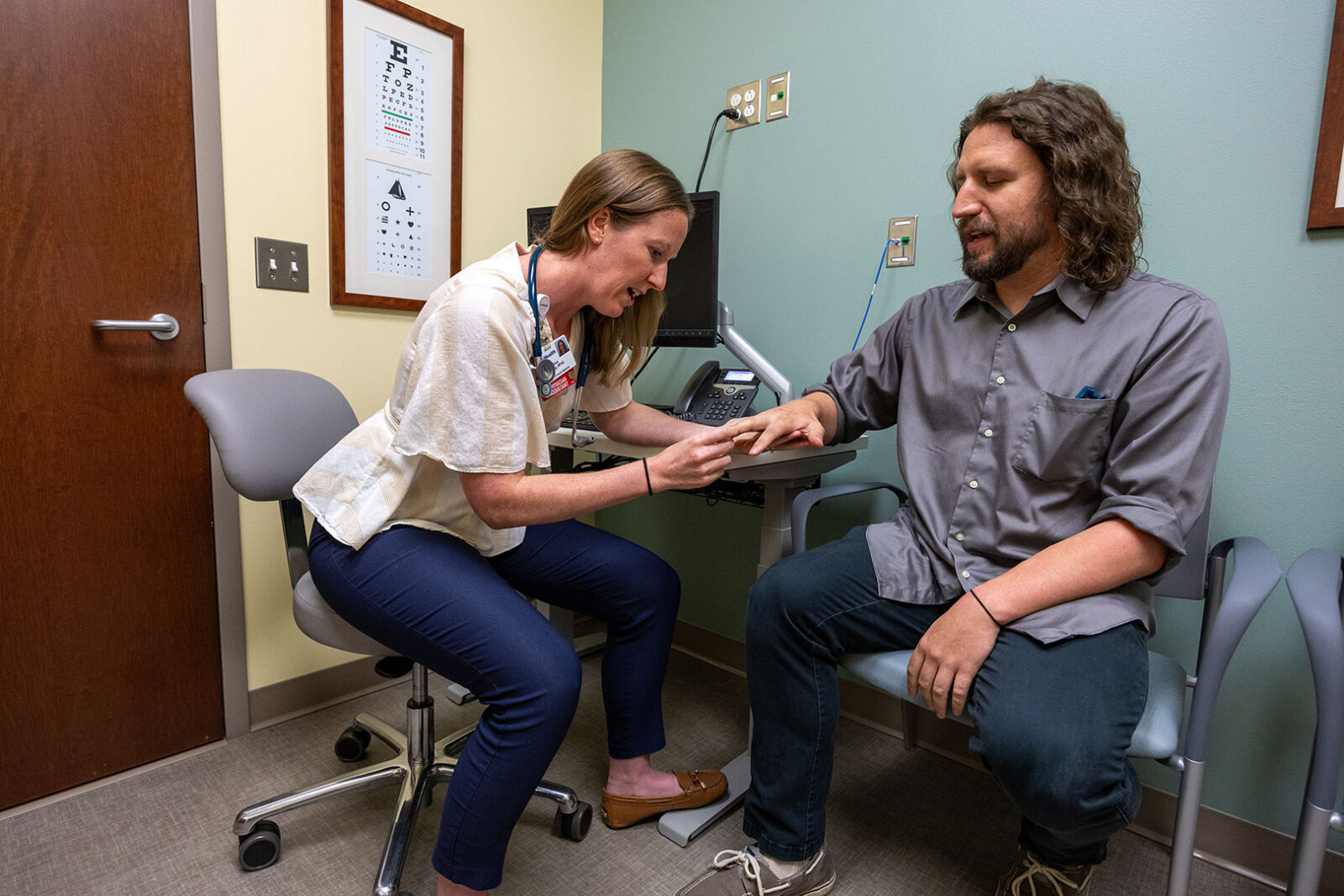
UW Health’s integrative health and wellness team is focused on the whole individual – body, mind, and spirit. Patients have access to a number of health care professionals including doctors, nurses, health psychologists, acupuncturists, and massage therapists who work in concert to bring out the best possible you.
Osher Integrative Health Resource Library
Integrative Whole Health educational resources for patients and clinicians relating to wholistic self-care and integrative approaches to specific health conditions.


Research and Community Partnerships
The Osher Center for Integrative Health supports research and community partnerships to improve health for all. We work closely with community members, health providers, and researchers to understand real needs and create practical solutions. Our work focuses on care that looks at the whole person with a commitment to culturally grounded and equitable approaches.
Osher Center Events
-
Oct 7Osher Integrative Health Grand Rounds
Dr. Camille Ladanyi of UW-Madison presents an Integrative Approach to Endometriosis at Osher Integrative Health Grand Rounds this October in Wisconsin.
What is Integrative Health
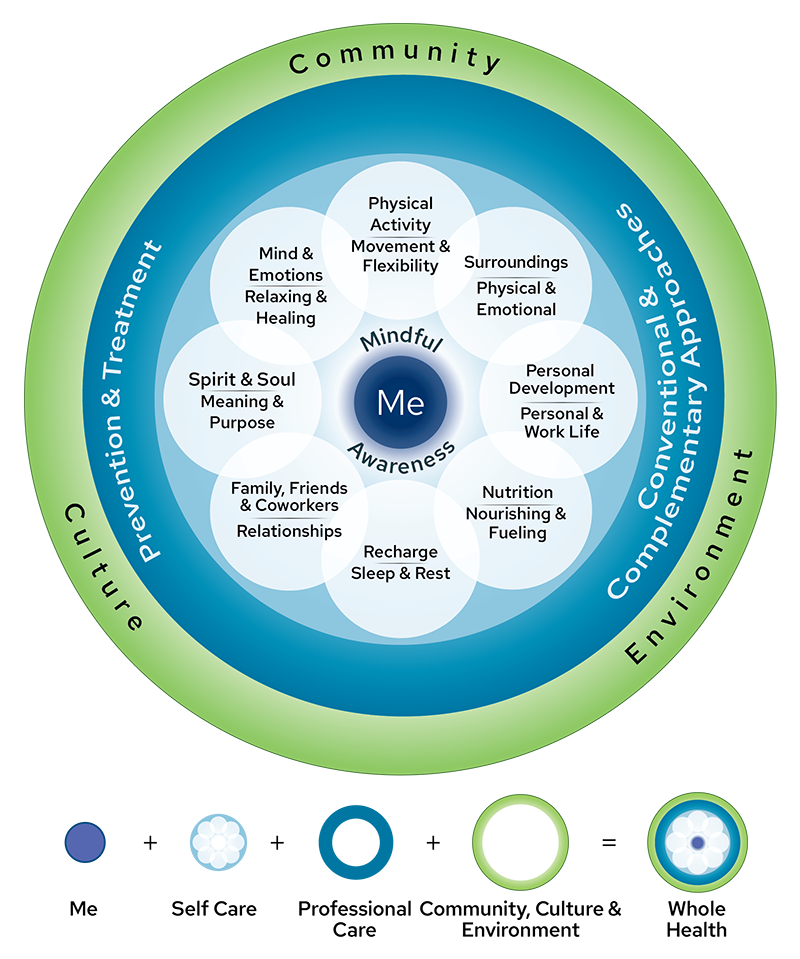
Integrative health is healing-oriented medicine that honors the whole person, including a person’s values, lifestyle, and relationships. The goal is to use the most appropriate therapies and approaches to activate the body’s natural abilities to heal. It is informed by the most current medical research and draws from both conventional and complementary therapies.
Contact the Osher Center

The Osher Collaborative for Integrative Health amplifies the collective impact of the 11 Osher Centers on health and well-being for all.