
Dr. Randy Brown began the new year in a new leadership role in the UW Department of Family Medicine and Community Health (DFMCH), stepping into the position of vice chair for research. A dual board-certified physician in family medicine and addiction medicine, Brown brings 24 years of clinical, teaching, and research experience to the role along with a nationally recognized body of work that has shaped addiction medicine, clinical trial design, and health services research.
A Research Foundation Built at UW
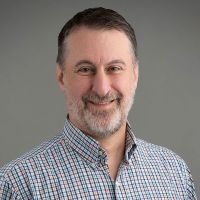
Randy Brown, MD, PhD
Brown’s research career is grounded in rigorous training and scholarship. After completing his family medicine residency at the Stanislaus County Family Medicine Residency Program in Modesto, California—where he later served as medical director for the county’s opioid treatment program—he moved to Madison in 2001 to pursue the DFMCH Primary Care Research Fellowship. He went on to earn his PhD in population health sciences from UW in 2009, along with a certificate in clinical trials, and completed additional fellowships in academic career development and addiction medicine education.
Since joining the UW faculty in 2003, Brown has built a research portfolio that spans clinical trials, health services research, and translational science. He has focused his research on preventive care and treatment interventions in general health care settings for people who use drugs and alcohol and has led multiple large, multisite studies in that space. His work includes medication trials, mHealth interventions to support recovery, and studies on trauma-related opioid risk.
National Leadership in Psychedelic and Addiction Medicine Research
Brown is widely recognized as one of the nation’s leading voices in addiction medicine research. He has served as a principal investigator on psychedelic clinical trials for more than a decade and was first author on seminal UW work related to psilocybin pharmacology. He also served as site co‑principal investigator on major multisite studies of psilocybin for depressive disorder and MDMA for post‑traumatic stress disorder, with results published in JAMA Psychiatry and Nature Medicine.
His experience spans opioid use disorders, opioid treatment and justice diversion programs, primary care-based opioid agonist therapy, and hospital based medical detoxification. He continues to provide clinical care at UW Hospital, the William S. Middleton Memorial Veterans’ Hospital, and the UW Multidisciplinary Clinic for Alcohol‑Associated Liver Disease—ensuring that his research remains grounded in real‑world patient needs.
A Proven Record of Funding, Scholarship, and Collaboration
Brown’s research leadership is evident in his success in securing funding and producing influential scholarly work. In just the past five years, he has served as principal investigator on seven awards and co-investigator on 10 for a total of 17 successful applications earning more than $31 million in funding. During that same period, he authored 41 peer-reviewed publications and presented 35 abstracts at regional and national conferences.
He has contributed extensively to national education efforts, including nine book chapters, practice questions for addiction medicine board examination, and Treatment Improvement Protocols for the Substance Use and Mental Health Services Administration.
“As vice chair for research, Randy brings a proven ability to build programs, secure funding, and turn science into practice—positioning DFMCH to expand its impact on addiction care, public health, and health services research,” says DFMCH Chair Dr. Dave Rakel.
Building Research Capacity Across DFMCH
Brown’s leadership philosophy centers on collaboration and belief that diverse perspectives strengthen scientific inquiry. “Every member of the research team brings expertise shaped by their background and experience. That diversity strengthens our work. Thoughtful consideration of all perspectives is central to what I hope to bring to this role,” he says.
His statewide impact is equally significant. Brown has led major outreach efforts to support rural clinicians, expand opioid treatment capacity, and provide real‑time consultation and education to health care providers across Wisconsin—efforts that blend research, implementation, and community partnership.
Looking Ahead: Strengthening Connections and Advancing Discovery
Drawn to family medicine for its long‑term, multigenerational relationships, he emphasizes the importance of understanding the social and community factors that shape health. “The more I know about an individual’s circumstances and the relationships in their lives, the better job I can do in meeting their needs and helping them reach their goals related to substance use and related conditions,” he says.
As he steps into the vice chair role, Brown is energized by the chance to deepen connections across the department. “I look forward to making more time to learn about the research happening in our department, the questions that drive our faculty and staff, and how I can best support that work. Research is a team sport—and it’s our people, their ideas, and their innovations that will move our mission and vision forward.”
Published: January 2026