Preparing Future Physicians to Address Firearm Injury Prevention
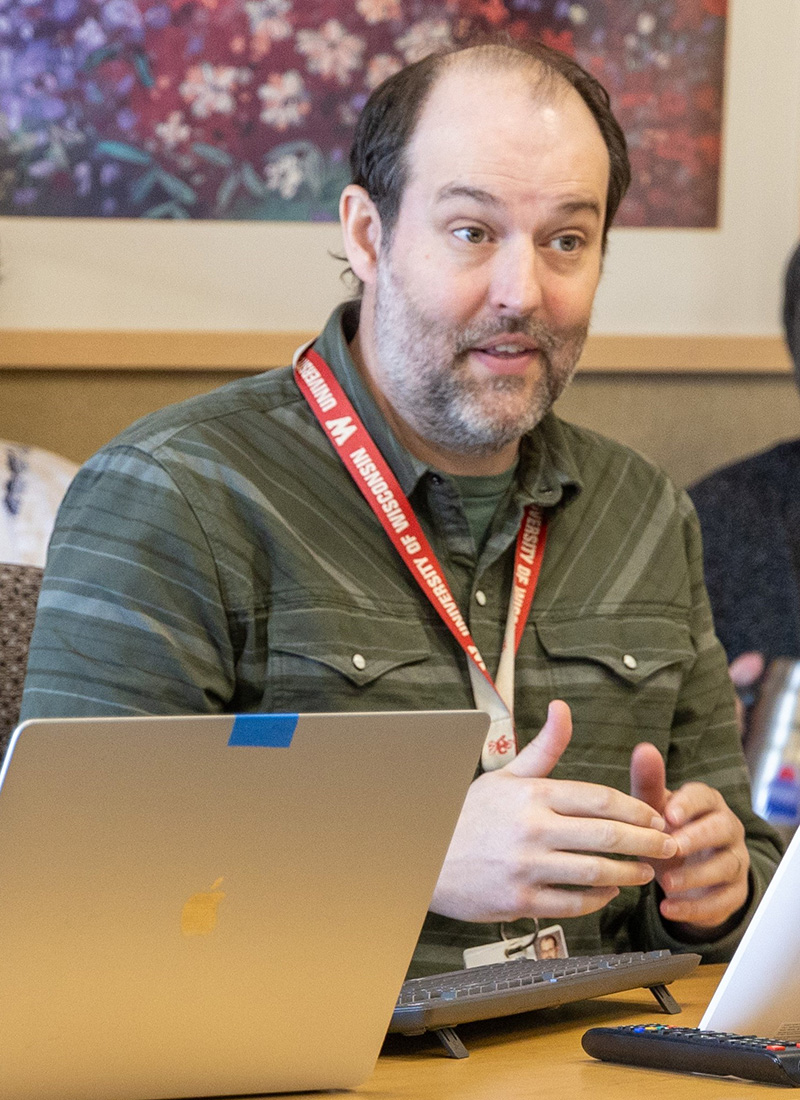
Medical students at the University of Wisconsin School of Medicine and Public Health juggle a demanding required curriculum, but they also have opportunities to explore electives that reflect their interests and passions. One of the newest options, Family Medicine 913: Firearm Injury Prevention, gives third- and fourth-year medical students a better understanding of firearms and prepares them to talk with patients about safety and injury prevention. Through the course, students examine the epidemiology of firearm injury and death in the United States, explore the role clinicians can play in advancing prevention efforts, and build relationships with community partners working in this space. Participants also collaborate with those partners to design model interventions aimed at reducing firearm-related injuries in their communities.
“We created this firearm injury prevention elective because firearm-related injuries are now the leading cause of death for children and adolescents aged 1–19,” says James Bigham, MD, MPH, course director. “Yet this critical issue has historically remained an overlooked component of medical education. I never had a class like this in medical school.”
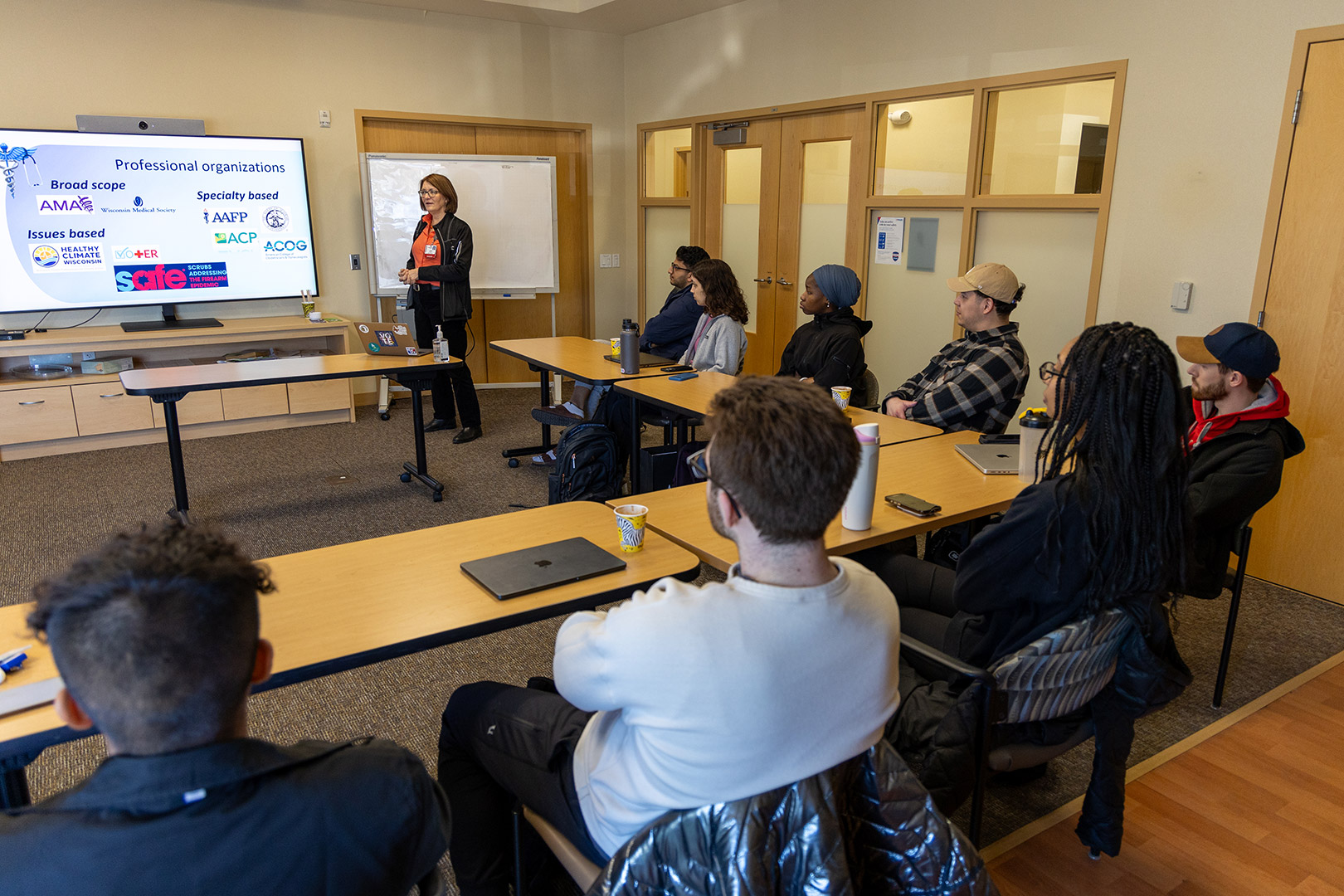
The course brings together a wide range of perspectives. Guest speakers include people like Sophie Kramer, MD, FACP, who discusses physician advocacy, and John Diedrich an investigative reporter for the Milwaukee Journal Sentinel, whose recent project, Behind the Gun, was the first comprehensive effort to obtain gun‑death data from every county in Wisconsin. Students also visit Max Creek Outdoors, a local partner gun shop, where they learn more about firearms, safe handling, secure storage, and participate in supervised target shooting on the range if interested.
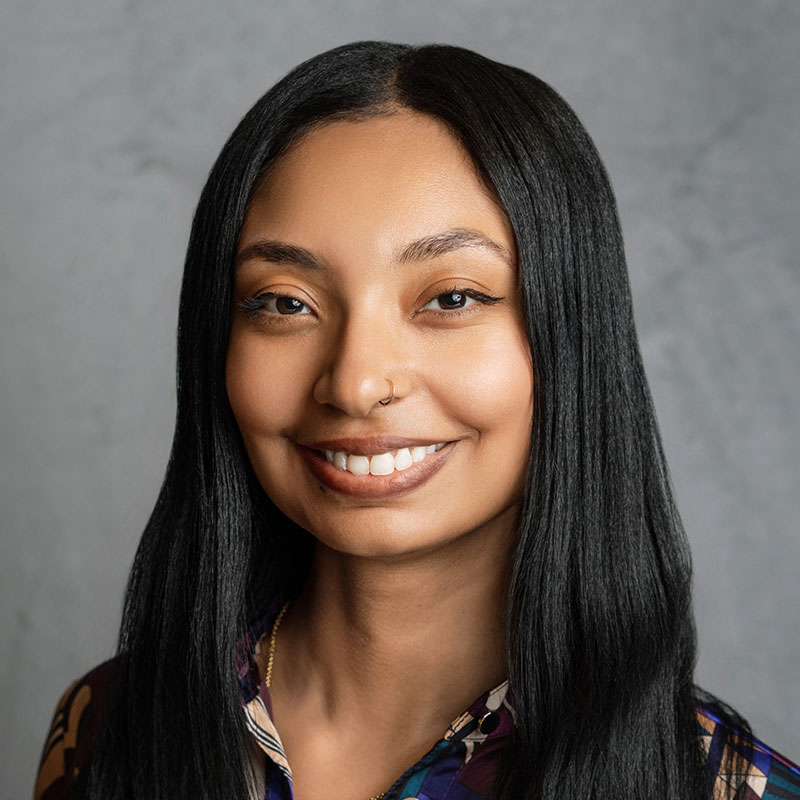
For many students, this hands-on exposure helps demystify a topic they previously found intimidating. Fourth‑year MD/MPH student Arissa Milton enrolled in the elective based on both personal experience and her public health training. A major influence, she explains, is her father, who works at a local high school.
“He has had multiple students either injured or killed by firearms, and I see the toll it takes on him as well as his students,” Milton says. “But he’s turned this pain into community involvement through public safety committees. With my MD/MPH background, I saw this as an important public health issue to understand.”
Third‑year medical student Daniel Polio came to the course with a different, but equally personal, motivation. Raised in California, he grew up around people with deeply divided views on firearm policy.
“Given my lived experience interacting with people on both sides of the spectrum, I wanted to take this class to get a better idea of how I can talk to patients about firearms,” Polio says. “Regardless of a patient’s stance, they should be provided with essential information to keep themselves and their families safe.”
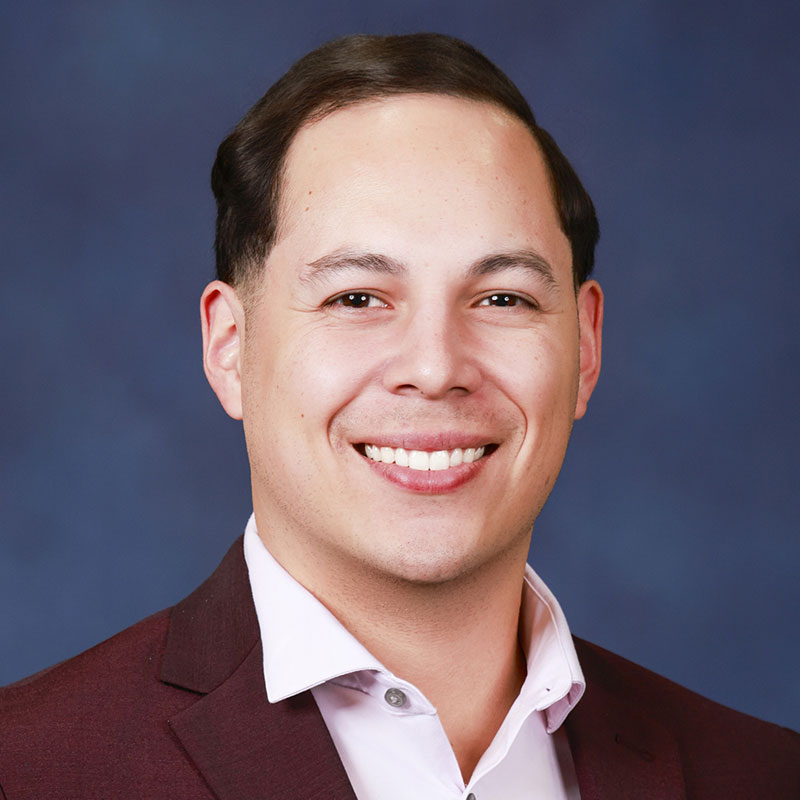
Polio emphasizes that the elective reinforced how important language and listening are in clinical conversations. “I’m constantly reminded that the language we use with patients matters even more than I appreciated,” he says. “I want to improve my ability not just to talk about firearm security, but to listen to patients talk about their expertise with firearms.”
Before taking the course, both students say they had a limited understanding of the physician’s role in firearm injury prevention. “We were trained to ask about firearms primarily in the context of suicidal ideation,” Milton says. “But that’s just one piece of a much larger problem.” Polio adds that he initially saw physician involvement as largely policy-oriented rather than rooted in everyday clinical interactions.
Although Milton is applying to residency in diagnostic radiology, she says the course has helped her see how firearm injury prevention fits into her future physician identity. She envisions contributing through advocacy, research, and community engagement — particularly within Black communities, where firearm homicide disproportionately affects Black men.
Polio, meanwhile, sees firearm injury prevention as a core clinical responsibility across specialties. “Discussing firearm injury prevention should be as standard as talking about wearing a helmet or using a seatbelt,” he says. “I hope to be part of a generation of physicians who are comfortable discussing secure firearm storage with patients.”
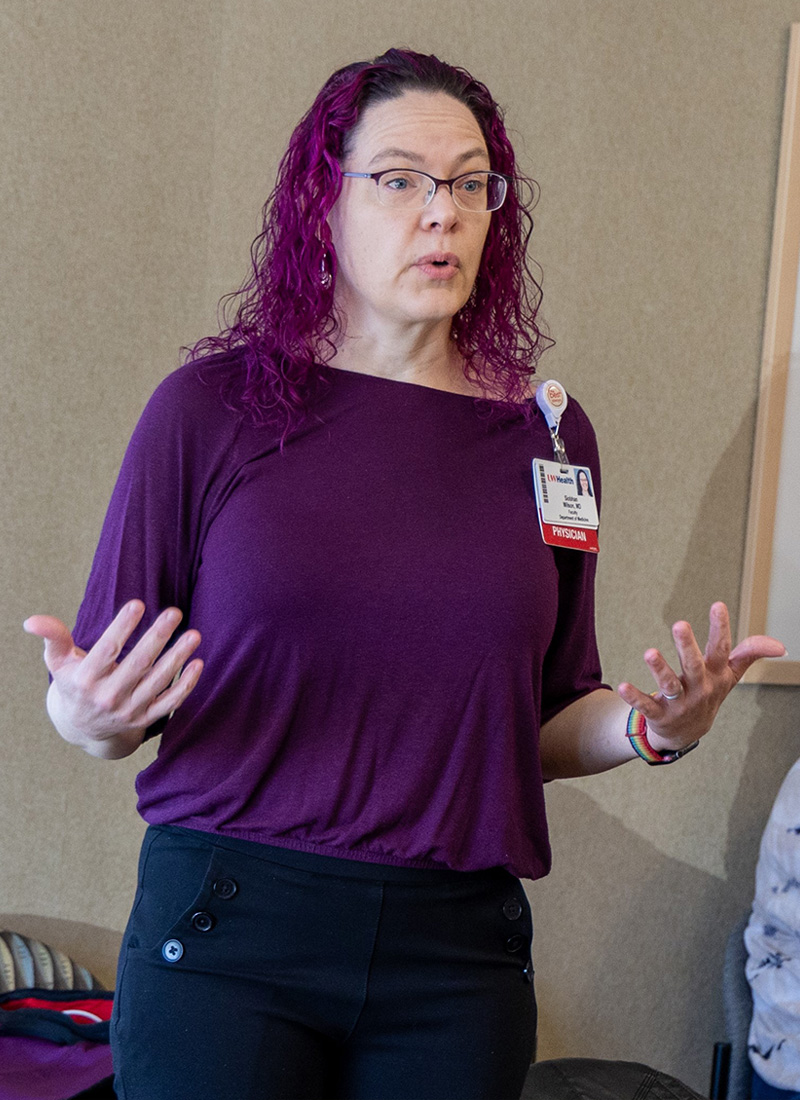
The course is co-directed by Siobhan Wilson, MD, PhD, clinical associate professor in the Department of Medicine. Although the elective is housed within the Department of Family Medicine and Community Health, both Bigham and Wilson acknowledge that it would not be possible without broad cross-disciplinary collaboration. Contributors include Kramer who assisted with course development and assignments; Stephen Bagwell, a public health integrative case manager in the Medical Education Office; Nicole Watson, MPH, who provides essential programmatic support; and Dr. Parvathy Pillai and Amy Neeno-Eckwall, who both helped with the course proposal and approval process.
“One of the things James and I both struggled with was the complete absence of firearm injury prevention in the undergraduate medical education curriculum,” Wilson says.
She also highlights Bigham’s longstanding partnership with Max Creek Outdoors as an important component in getting this course off the ground. In honor of the shop’s owner, Steve D’Orazio, who passed away last year, Max Creek built a classroom to continue supporting education and community engagement around firearm injury prevention, including programs Bigham has led for health professionals.
Both students say the course has challenged assumptions and encouraged more nuanced thinking. Milton describes a process of unlearning simplistic narratives, while Polio notes he was surprised to learn how many policy discussions fail to address the primary drivers of firearm deaths, particularly suicide.
Ultimately, they agree that firearm injury prevention education belongs in medical school — and beyond. “Firearm injury prevention is undeniably a public health concern,” Polio says. Milton adds, “Doctors are the ones who deal with the aftermath. A foundational understanding helps us be part of meaningful, multifaceted solutions.”
Recent News
-
DFMCH Delivers Top-Rated Clinical Training
The UW Department of Family Medicine ranks among the nation’s top programs,…
-
Wisconsin Retains 77% of DFMCH’s Newest Graduates
DFMCH celebrates the Class of 2026, with 77% of graduates remaining in…
-
KJ Hansmann, MD, MPH, PhD, Accepted to MTLE Fellowship
KJ Hansmann, MD, MPH, PhD, was accepted into the fall 2026 MTLE…
Contact Us
Do you have a newsworthy accomplishment to share?
Please send specific details and related photos to Laura Cruz.