Feature graphic

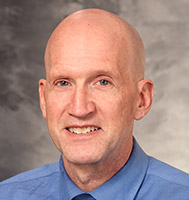
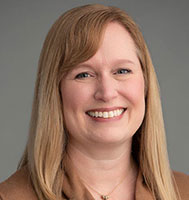
Sports Medicine Fellowship Director Kathleen Carr, M.D.

Sports Medicine Fellowship

Introduction

The Primary Care Sports Medicine Fellowship was started in 1988, and at the time, was the first pediatric department-based primary care sports medicine fellowship in the country. Under the direction of Drs. David Bernhardt and Kathleen Carr, the fellowship continues to garner high acclaim both clinically and academically. It is one of seven pediatric-accredited primary care sports medicine fellowships nationally.   Physicians who have completed their residency training in pediatrics, family medicine, or med/peds are accepted to the fellowship program.  Physicians from other specialties (emergency medicine, internal medicine, physical medicine and rehabilitation) should contact the program directors directly to inquire about possible training opportunities.

Qualifications

Applicants must have completed a pediatric, family medicine, or med/peds residency, and have a strong commitment to the medical care of athletes.  Must be Board-certified or Board-eligible and complete Board certification during the fellowship.  Must be eligible for state of Wisconsin medical license.

Physicians from other specialties (emergency medicine, internal medicine, physical medicine and rehabilitation) should contact the program directors directly to inquire about possible training opportunities.

Purpose

The primary purpose is to train primary care educated physicians in the field of sports medicine to become academic leaders in the care of sports related problems in children, adolescents and adults. Fellowship training will provide the clinical education necessary to treat a wide variety of sports related problems and allow the physician to become a teacher and researcher in sports medicine. Training will also lead to eligibility to take the Certification of Added Qualification (CAQ) exam in Sports Medicine.

Responsibilities

This is a one-year accredited fellowship with a clinical emphasis consisting of approximately 50% clinical activities, 40% research and 10% teaching of residents, medical students and athletic training students.   A second year of training, emphasizing longitudinal research and preparation for an academic career, may be available depending on the applicant’s interest and available funding.

The Sports Medicine fellowship curriculum is flexible and may be modified with the fellowship directors’ permission to meet the individual fellow's needs. It is important that the fellowship remain a mix of clinical, teaching, and research experience. The fellow may pursue a course of study leading to a Masters in Public Health degree.

Applicants with a strong interest in academic preparation for a career including significant research may be interested in a 3-year training option, including the one-year sports medicine fellowship and the two-year University of Wisconsin Primary Care Research Fellowship.  A separate application is required for the latter.  More information about the Research Fellowship can be reviewed at http://www.fammed.wisc.edu/fellowships/research.  Please contact the program directors if you are interested in this combined opportunity.

Clinical Activities

  1. The sports medicine clinical training includes three half days weekly in the UW Health Sports Medicine Clinic and two half days monthly in the University Health Service Sports Medicine Clinic.  Four months will be spent in primary care sports medicine faculty clinics, four months will be spent in orthopedic faculty clinics, 1 month in musculoskeletal radiology, and three months doing elective rotations.
  2. To fulfill the Sports Medicine Fellowship Accreditation Requirements regarding primary care, the fellow will spend one half day per week in primary care continuity clinic (i.e., adolescent medicine or family medicine clinics).
  3. The fellow also assists UW Primary Care Team Physicians in providing care for approximately 900 University of Wisconsin varsity athletes. The fellow participates in the athletic event coverage rotation and provides athletic training room coverage with the other UW team physicians.
  4. The fellow will serve as a team physician for a local high school providing coverage for all home football games and other sports as needed during the year.
  5. The fellow serves as a sports medicine consultant to other health care providers in the Departments of Pediatrics and Family Medicine, as well as other community physicians.
  6. The fellow will have the opportunity to assist in coverage of mass participant events such as the Madison Marathon and Ironman Triathlon, and other events as they become available.
  7. The fellow will assist with coverage of the annual WIAA high school state tournament events. 


    Research

    1. The fellow will develop or participate in at least one research project in the field of sports medicine. The research topics are tailored to the interests of the individual fellow.  The fellow will have approximately 40% academic time through the year.
    2. The fellow will attend the Annual AMSSM Research Workshop for Fellows, generally held in late July or early August.
    3. The fellow is expected to submit at least one article for publication in a professional journal by completion of the fellowship.
    4. All fellows are required to participate in the Clinical Research Workshop Series, a Scientific Writing Workshop, and an Advanced Short Course in Clinical Research offered at the University of Wisconsin.  Opportunities exist for the fellow to complete a Capstone Certificate program and various graduate level research courses commensurate with prior experience and career goals.

      Teaching

      1. The fellow is expected to teach medical students and pediatric and family medicine residents in the clinical setting. This will consist of lectures and informal discussions for medical students and residents on topics chosen by the fellow and the directors of the fellowship.
      2. The fellow may be asked to present topics in a primary care conference in the Department of Pediatrics, one Grand Rounds for the Department of Pediatrics, one Grand Rounds for the Department of Family Medicine, and will be asked to present didactic lectures to an undergraduate athletic training course "Medical Aspects of Exercise and Sports" every year.
      3. The fellow will be expected to deliver one or two lectures for the annual UW Sports Medicine Symposium.
      4. The fellow will be expected to attend a weekly sports medicine conference consisting of sports medicine topics, MRI clinical correlation, and journal club.  The fellow will present one 45-minute lecture per month at this conference.
      5. The fellow may also be asked to give sports medicine related talks to community groups or organizations.

        Faculty

        The faculty consists of three pediatricians, two family physicians, and four orthopedic surgeons who collectively serve as UW Team Physicians. In addition, sixteen certified athletic trainers work closely with the fellow in the Sports Medicine Clinic and the UW Athletic Training Facility.

        Fellows’ Research Projects

        1988-90: William Primos, MD, and Greg Landry, MD, completed a pilot project looking at spleen size and infectious mononucleosis. This study was presented as an abstract before the Ambulatory Pediatric Association, Adolescent Medicine (Joint Session with APS/SPR) in Anaheim, CA in 1990. This important study is used by sports medicine and primary care physicians when advising an athlete suffering from infectious mononucleosis in return to their sport.

        1990-92: Jorge Gomez, MD, Greg Landry, MD, and David Bernhardt, completed a study looking at the usefulness of the two minute orthopedic screening exam as a screening tool in the preparticipation physical exam. This study was published: Critical Evaluation of the Two-Minute Orthopedic Screening Examination. American Journal of Diseases in Children 1993; 147:1109-13.

        1992-94: David Bernhardt, MD completed a pilot study looking at potential markers of bone mineral density in amenorrheic athletes. This study was funded by the General Clinical Research Center and Department of Pediatrics Research and Development Funds. The study involved several faculty in the medical school. This study was presented at the American Medical Society for Sports Medicine National Meeting, June 1996, Orlando, FL.

        1994-96: Cyd Charisse Williams, MD did not complete a project on prevention of second teen pregnancy due to lack of funding.

        1996-98: Wendi Johnson, MD completed a pilot project on a mini neuropsychological test to establish baseline data that can be followed up after head injury among UW soccer players.

        1998-99: Teri Metcalf, MD started a double-blind placebo controlled cross-over study on the usefulness of a topical anti-inflammatory agent for lateral epicondylitis.

        2000-2002: Kathleen Carr, MD completed a project on exercise in the postpartum period, "Factors Influencing Physical Activity by Postpartum Women."

        2002-2004: Rebecca Demorest, MD researched sports medicine education in pediatric residency programs and her findings were published in Pediatrics in 2005.

        2004-2006: Kelsey Logan, MD researched blood pressures taken during pre-participation physicals and how abnormal blood pressures were followed.  Her results were exhibited at the 2006 AMSSM National Meeting.

        2006-2008: Margaret Alison Brooks, MD, MPH conducted a pilot study evaluating musculoskeletal outcome instruments in adolescent athletes with low back pain. She submitted this pilot data in her NIH K23 Career Development Award grant application. Dr. Brooks also completed a study on skiing and snowboarding injuries in terrain parks, which was presented at the 2nd World Congress on Sports Injury Prevention in Tromso, Norway, June 2008.

        2006-2008: John Wilson, MD conducted a pilot research project investigating the efficacy of hydrotherapy and physical therapy for the treatment of knee osteoarthritis.  The results of this pilot project were presented as a poster at the 2007 Wisconsin Physical Therapy Association annual meeting in Lake Geneva, WI.  Dr. Wilson also conducted a research project investigating AED prevalence and emergency preparedness for sudden cardiac arrest in Wisconsin high schools.  Preliminary findings were presented as a poster at the 2008 AMSSM annual meeting in Las Vegas, NV.

        2007-2010:  Andrew Peterson, MD conducted a pilot research project about office-based clinical intervention using motivational interview techniques to treat pediatric under-fitness and obesity.

        2009-2011:  David Smith, MD is conducting a research project on “The effect of concussion on academic and school performance in the adolescent,” for which he received a Thrasher Research Fund Early Career Award.

        Publications

        Primos WA , Landry GL. "Fighting Fads in Sports Nutrition', Contemporary Pediatrics 1989; 6(9): 14-50.

        Primos WA , GL. Anabolic Steroid Abuse. Advances in Pediatrics 1990; 39: 185-205.

        Landry GL, Gomez JE . Management of Soft Tissue Injuries. Adolescent Medicine: State of the Art Reviews 1991; 2(1): 125-40.

        Gomez JE , Landry GL, and Bernhardt DT. Critical Evaluation of the Two Minute Orthopedic Screening Examination. American Journal of Diseases in Children 1993; 147(10): 1109-13.

        Landry GL, Bernhardt DT , Helwig DC, and Darcey B. False Positive Drug Test for Morphine: A Medical Detective Story. The Physician and Sportsmedicine, 1994; 22(2):93-5.

        Bernhardt DT , Landry GL. Chest Pain in Pediatrics. The Physician and Sportsmedicine, 1994; 22(6): 70-85.

        Williams CC , Bernhardt DT. Syncope in Athletes. Sports Medicine 1995; 19(3): 1-12.

        Johnson WA , Bernhardt DT. Exercise Induced Asthma. Orthopedic Physical Therapy Clinics of North America 1998; 7(1): 91-107.

        Johnson WA , Landry GL. Osgood-Schlatter Disease and Sindig-Larsen-Johansson Disease. Essence of Office Pediatrics, Stockman and Lohr, edit WB Saunders, 2001.

        Johnson WA , Landry GL. Nutritional Supplements: Fact vs. Fiction. Adolescent Medicine: State of the ART Reviews 9 (3):501-514, 1998.

        Johnson WA, Landry GL. Sports and the Adolescent.  Chapter 219 in Pediatrics, Osborn, Dewitt, First, Zemel, Elsevier Mosby Publishers, 2005, pp 1425-1428.

        Carr KE, Graf BK. Alcohol and athletes: a high-risk combination for binge drinking. Sports Medicine Update. Spring 2001: 4-5.

        Carr KE, Musculosketetal injuries in young athletes. Clin Fam Pract 2003;5(2):385-415.

        Demorest RA, Bernhardt DT, Best TM, and Landry GL. Pediatric Residency Education: Is Sports Medicine Getting Its Fair Share? Pediatrics 2005; 115:28-33.

        Best TM, Wilson JJ: Skeletal muscle and tendon.  In:  Johnson DH,
        Pedowitz RA (eds). Practical Orthopaedic Sports Medicine & Arthroscopy. Philadelphia: Lippincott Williams & Wilkins, 37-50, 2007.

        Wilson JJ, Wilson, EM.  Practical management of vocal cord dysfunction in athletes.  Clinical Journal of Sport Medicine.  2006;16(4):357-360.

        Wilson JJ. Repetitive Strain Injury.  Physician Information and Education Resource (PIER). American College of Physician Web-based decision support tool. 2007.

        Wilson JJ, Donnenworth JJ, Landry GL. Wrestling: Specific Sports. In: Mellion, Walsh, Madden, Putukian, Shelton (eds.) Team Physician’s Handbook, 4th Edition. Chapter 61. 521-528, 2009. 

        Wilson JJ, Theis S, Wilson EM. Evaluation and Management of Vocal Cord Dysfunction in the Athlete. Current Sports Medicine Reports. 2009;8(2):65-70.

        Brooks MA, Schiff MA, Koepsell TD, Rivara FP. Prevalence of Preseason Conditioning Among High School Athletes in Two Spring Sports. Medicine and Science in Sports and Exercise 2007; 39(2): 241-247

        Mueller BA, Cummings P, Rivara FP, Brooks MA, Terasaki RD. Injuries of the Head, Face, and Neck in Relation to Ski Helmet Use. Epidemiology 2008;19(2): 270-276

        Brooks MA, Bernhardt DT. “Growth and Motor Development” in Pediatric Orthopedics for Primary Care, AAP, 2008

        Brooks MA. “Sever’s Disease” in Encyclopedia of Sports Medicine, Sage Publications, 2008.

        Abstracts

        Primos WA , Landry GL. The Course of Splenomegaly in Infectious Mononucleosis. Presented before the Ambulatory Pediatric Association, Adolescent Medicine (Joint Session with APS/SPR), Anaheim, CA 1990.

        Gomez JE , Weatherly M, Landry GL. Dyspnea After Running. Physician Case for American College of Sports Medicine, Orlando, FL 1991.

        Gomez JE , Landry GL, Bernhardt DT. Critical Evaluation of the Two-Minute Screening Examination. American College of Sports Medicine, Dallas TX 1992.

        Bernhardt DT , Landry GL, Ulery D. Near Syncope in a Twelve Year Old Soccer Player. American College of Sports Medicine, Seattle, WA 1995.

        Bernhardt DT , Landry GL, et al . Bone mineral markers as predictors of altered bone mineral density in amenorrheic athletes. Presented at the AMSSM National Meeting, Orlando, FL, June 1996.

        Williams CC , Landry GL, Graf BK. Posterior Sternoclavicular Dislocation in a Football Player. Case presentation for American College of Sports Medicine, Cincinnati, OH 1996.

        Carr KE, Bernhardt DT, Graf Bk, Krzykowski JL. Knee Injury-Football. Med. Sci. Sports Exerc. 2001: 33(5) supplement; 58.

        Carr KE, Bernhardt DT, Turnipseed WD, Greene JJ. Bilateral Calf Pain in a swimmer. Poster Exhibit. 10th Annual Meeting of AMSSM, San Antonio, TX, April 2001.

        Demorest RA, Bernhardt DT, Best TM, Landry GL. Pediatric Residency  Education: Is Sports Medicine Getting Its Fair Share? Pediatrics. 2005;115(1):28-33.

        Logan K, Best TM. Hypertension in college athletes: does pre-participation physical exam blood pressure identify athletes at risk? Clinical Journal of Sport Medicine. 2006;5(16):438.

        Wilson JJ. Hematoma in a Football Player: Idiopathic Thrombocytopenic Purpura.  Medicine & Science in Sports & Exercise. 2006; 38(5) Supplement.

        Wilson JJ, Bernhardt DT, Drezner JA. AED Prevalence and Emergency Preparedness for Sudden Cardiac Arrest in Wisconsin High Schools. Clinical Journal of Sport Medicine.  2008;18(2):201.

        Brooks MA, Schiff MA, Rivara FP. “Previous Sports Injury Among High School Spring Soccer And Track Athletes.” Poster presentation at American Medical Society for Sports Medicine Annual Meeting, April 21-25, 2007, Albuquerque, NM and American College of Sports Medicine Annual Meeting, May 30-June 2, 2007, New Orleans, LA

        Nemeth BA, Brooks MA, Peterson S, Clark RR, Sullivan J, Allen DB, Carrel A. “Overweight children less likely to attain true VO2 peak using heart rate criterion than lean children.” Poster presentation at American College of Sports Medicine Annual Meeting, May 30-June 2, 2007, New Orleans, LA

        Brooks MA, Rivara FP. “Evaluation of Skiing and Snowboarding Injuries in Terrain Parks.”  World Congress on Sports Injury Prevention, June 26-28, 2008, Tromso, Norway.

        Smith DV, Wilson JJ, Rahko PS, Jacobson K. Identification of Previously Undetected Hypertrophic Cardiomyopathy Using a 5-Minute Screening Echocardiogram for Athletes. Clinical Journal of Sport Medicine. 2010;20(2):164.

        Funding of Research Projects

        The Sports Medicine Golf Classic Grant and UW General Clinical Research Center funds are available for funding of fellows’ research projects.

        Present Positions of Past Fellows

        William Primos, MD, 1988-90, is in private sports medicine practice in Charlotte, NC.

        Jorge Gomez, MD, 1990-92, is an Assistant Professor of Pediatrics, University of Texas-San Antonio, specializing in Adolescent and Sports Medicine. He is presently a Robert Wood Johnson Scholar in the Generalist Faculty Initiative Program.

        David Bernhardt, MD, 1992-94, is a Professor of Pediatrics at the University of Wisconsin in General Pediatrics and Sports Medicine and is the Co-Director of the University of Wisconsin Primary Care Sports Medicine Fellowship Program.  He is a team physician for the UW Athletic Department.

        Cyd Charisse Williams, MD, 1994-96, is in private practice in St. Louis, Missouri.

        Wendi Johnson, MD, 1996-98, is in private practice at CentraCare Women and Children’s Clinic in St. Cloud, Minnesota.

        Teri Metcalf McCambridge, MD, 1998-99, Clinical Assistant Professor, Johns Hopkins University Medical School. Team Physician Towson State University. Private Practice Towson Orthopedic Associates, Towson, Maryland.  

        Kathleen Carr, MD, 2000-02, is an Associate Professor in Family Medicine and Orthopedics and Rehabilitation at the University of Wisconsin.  She is also the Co-Director of the University of Wisconsin Primary Care Sports Medicine Fellowship Program, Associate Director of the University of Wisconsin Department of Family Medicine Madison Residency Program, and a team physician for the UW Athletic Department. 

        Rebecca A. Demorest, MD, 2002-04, is currently Medical Director of Sports Medicine at Children's Hospital & Research Center Oakland in Oakland, CA. After fellowship, Dr. Demorest became Medical Director of Sports Medicine at Children's National Medical Center in Washington DC and was an Assistant Professor of Pediatrics and Orthopaedics at The George Washington University School of Medicine and Health Sciences. She then moved to New York City where she was an attending physician in the Women's Sports Medicine Center at Hospital for Special Surgery and an Assistant Professor of Pediatrics at Weill Medical College of Cornell University. She was Medical Director of the Fairfax County Public School System and Co-Medical Director for the Annual 10-Mile Cherry Blossom Run in Washington, DC. She has covered US World Rowing Championships, the USTA Fed Cup, the WNBA Combine and multiple high school and college sporting events. She is currently a team physician for US Rowing, a board member of Oakland Strokes Rowing Association and a team physician for Piedmont High School in Piedmont, CA.

        Kelsey Logan, MD, 2004-06, is Assistant Professor of Internal Medicine and the Medical Director of the Sports Concussion Program at the Ohio State University.  She is the team physician for OSU wrestling, gymnastics, and fencing.

        Alison Brooks, MD, MPH, 2006-08, is an Assistant Professor in Orthopedics and Rehabilitation at the University of Wisconsin.  She is a team physician for the UW Athletic Department.

        John Wilson, MD, 2006-08, is an Assistant Professor in Family Medicine and Orthopedics and Rehabilitation at the University of Wisconsin.  He is a team physician for the UW Athletic Department. 

        Andrew Peterson, MD, 2007-10, is an Assistant Professor in Pediatrics and Orthopedics at the University of Iowa.  He is a team physician for the University of Iowa Athletics Program.

        Salary

        2010-2011       PG4 level:      $ 56,570

        Business account for books and travel: $1500/year

        Applications

        We match one fellow every year. The next fellow is scheduled to start July 1, 2011. Deadline for fellowship application for 2011-12 is September 30, 2010.

        How to Apply

        We accept the AMSSM's Universal Application for Fellowship Training. Email your completed form to Paula Wermich at: pwermich@pediatrics.wisc.edu